
How Long Does It Take to Walk the Appalachian Trail
How long does it take to walk the Appalachian Trail? Learn realistic timelines, daily mileage, rest days, and planning tips for first-time and experienced walkers.

Hike List
Posted on: 30 Dec, 2025
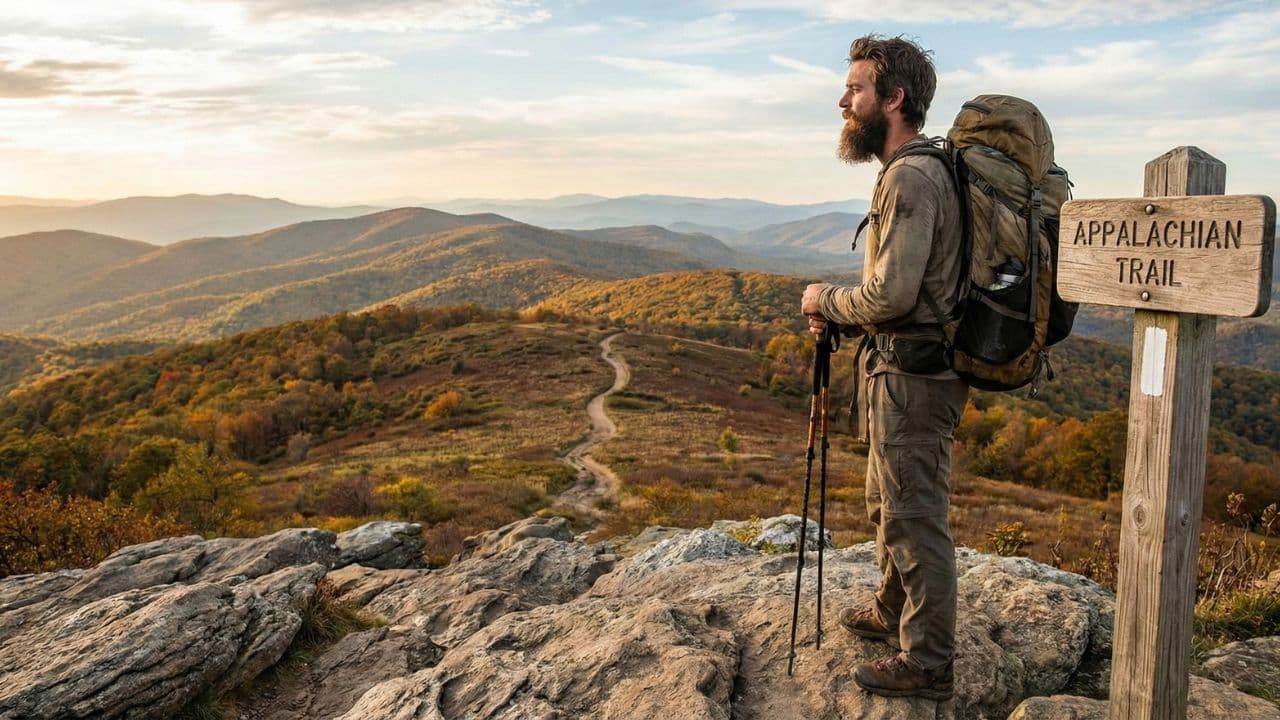
For many people, the idea of walking the Appalachian Trail sparks a mix of curiosity and respect. Stretching across a huge portion of the eastern United States, this trail is not a casual weekend walk. One of the first questions almost everyone asks is simple and practical: how long does it actually take to walk it? The answer depends less on ambition and more on real-world factors like pace, terrain, rest, and personal goals.
This guide breaks down what walkers can realistically expect, whether they are dreaming about the entire route or planning smaller sections.
Understanding the Appalachian Trail and Its Scale
The Appalachian Trail runs from Georgia to Maine and crosses 14 states along the way. It covers more than two thousand miles of mountains, forests, rocky ridges, valleys, and small towns. While maps may show a continuous line, the experience on the ground changes constantly.
Some days involve smooth forest paths. Other days demand slow, careful steps over roots, rocks, and steep climbs. Elevation changes, weather shifts, and trail conditions all affect how far a person can walk in a day, which is why there is no single answer that fits everyone.
How Long Does It Take to Walk the Appalachian Trail End to End
Average Time for a Full Walk
Most people who walk the entire trail from start to finish take five to seven months. This range reflects what the majority of walkers experience when they move at a steady but sustainable pace. It includes rest days, weather delays, and time spent recovering from the physical demands of long-distance walking.
Very few people walk every single day without breaks. Town stops for food, laundry, and rest are part of the journey and should be counted as part of the total time.
Faster and Slower Walking Timelines
Some experienced walkers finish in four months or less, but this usually requires:
Long daily distances
Minimal rest days
Strong physical conditioning
On the other end, walkers who move more slowly, take extra recovery time, or focus on a more reflective experience may take seven months or longer. Slower does not mean less successful. Many people prefer this approach because it reduces injury risk and mental burnout.
Daily Mileage and What Most Walkers Can Handle
Typical Miles Per Day
At the start, many walkers average 8 to 12 miles per day. This allows the body to adapt to daily movement, pack weight, and uneven terrain. After several weeks, daily distances often increase to 12 to 18 miles, depending on comfort and confidence.
Pushing too hard early is one of the most common mistakes. Overuse injuries can end a walk long before the schedule does.
How Terrain Changes the Pace
Not all miles are equal. A rocky ridge in New Hampshire or Maine can take twice as long as a smoother stretch in Virginia. Elevation gain, trail erosion, and weather all slow progress. Even experienced walkers adjust expectations when conditions demand it.
Walking the Trail in Sections Instead of All at Once
What Section Walks Look Like
Many people choose to walk the trail in parts over several years. These section walks may last anywhere from a few days to a few weeks at a time. This approach works well for those with limited vacation time or family and work commitments.
Section walks allow walkers to:
Focus on specific regions
Avoid harsh seasonal weather
Build experience gradually
Is a Section Walk a Better Option
For many, yes. Walking smaller portions still delivers the physical and mental benefits of long-distance walking without the pressure of completing the entire route in one stretch. It also allows more flexibility in planning and recovery.
Seasonal Timing and Its Effect on Walking Duration
Spring, Summer, and Fall Considerations
Spring is a popular start time, especially in southern sections, but it often brings rain and muddy trails. Summer offers longer daylight but also heat and humidity. Fall brings cooler temperatures and stunning scenery, though shorter days can limit walking time.
Each season affects daily pace and comfort, which in turn influences how long the overall walk takes.
Weather Delays and Unexpected Stops
Storms, extreme heat, snow, or trail maintenance can force unplanned breaks. These pauses are normal and should be factored into any realistic timeline.
Experience Level and Physical Readiness
First-Time Long-Distance Walkers
Beginners often need more time to adjust. Muscles, joints, and feet all adapt at different speeds. Early patience often leads to better outcomes later in the walk.
Training beforehand helps, but nothing fully prepares the body like consistent days on the trail.
Experienced Walkers
Prior experience can improve pacing and decision-making, but it does not eliminate fatigue or injury risk. Even seasoned walkers benefit from listening to their bodies and adjusting plans as needed.
The Role of Rest Days and Mental Fatigue
Walking day after day is as much a mental challenge as a physical one. Rest days allow:
Muscles and joints to recover
Minor injuries to heal
Motivation to reset
Skipping rest may shorten recovery time in the short term, but it often extends the overall journey due to injury or exhaustion.
Planning a Timeline That Actually Works
Setting Personal Expectations
Instead of copying someone else’s schedule, walkers should consider:
Current fitness level
Past injury history
Desired pace and experience
Time available
Flexibility matters more than precision.
Avoiding Time Pressure
Rigid deadlines increase stress and injury risk. A realistic plan leaves room for rest, weather, and enjoyment. Finishing healthy matters more than finishing fast.
Exploring the Trail at Your Own Pace
For those interested in engaging with the journey in a structured but flexible way, WyldWalk offers a digital approach to long-distance challenges. You can explore the Appalachian Trail challenge with WyldWalk and experience the sense of progress without the pressure of fixed timelines.
Conclusion
Walking the Appalachian Trail is not about chasing a number on a calendar. For most people, it takes several months of steady effort, thoughtful pacing, and regular rest. The true measure of success is finishing strong, healthy, and satisfied with the experience. Whether completed in one continuous walk or over many smaller sections, the journey rewards patience, preparation, and respect for the trail itself.
FAQs On The Appalachian Trail
1. How long does it take to walk the Appalachian Trail from start to finish?
It usually takes five to seven months to walk the Appalachian Trail from start to finish. Most walkers average 12 to 15 miles per day, including rest days, weather delays, and recovery time, which makes this timeline realistic for the majority of people.
2. How many miles do people walk per day on the Appalachian Trail?
Most people walk 8 to 12 miles per day at the beginning and gradually increase to 12 to 18 miles per day as their body adapts. Daily mileage depends on terrain, weather, physical condition, and how often rest days are taken.
3. Can beginners walk the Appalachian Trail?
Yes, beginners can walk the Appalachian Trail. Many first-time long-distance walkers complete it successfully by starting slowly, taking regular rest days, and adjusting their pace over time. Prior hiking experience helps, but it is not required to finish the trail.
4. Is it possible to walk only part of the Appalachian Trail?
Yes, many people walk only sections of the Appalachian Trail instead of the entire route. Section walks can last from a few days to several weeks and are often completed over multiple years, making them a flexible option for those with limited time.
5. What is the best time of year to start walking the Appalachian Trail?
The best time to start walking the Appalachian Trail is spring or early fall. These seasons offer milder temperatures and fewer weather extremes, which helps maintain a steady pace and reduces delays caused by heat, snow, or severe storms.
6. Do you need to walk every day to finish the Appalachian Trail?
No, you do not need to walk every day. Most walkers take regular rest days to recover, resupply, and prevent injuries. Rest days are an important part of long-distance walking and are included in most successful completion timelines.