
Camino de Santiago: The Complete Guide
Discover the Camino de Santiago through a clear, practical guide covering routes, preparation, daily life, and the reflective journey this historic walk offers.

Hike List
Posted on: 26 Nov, 2025
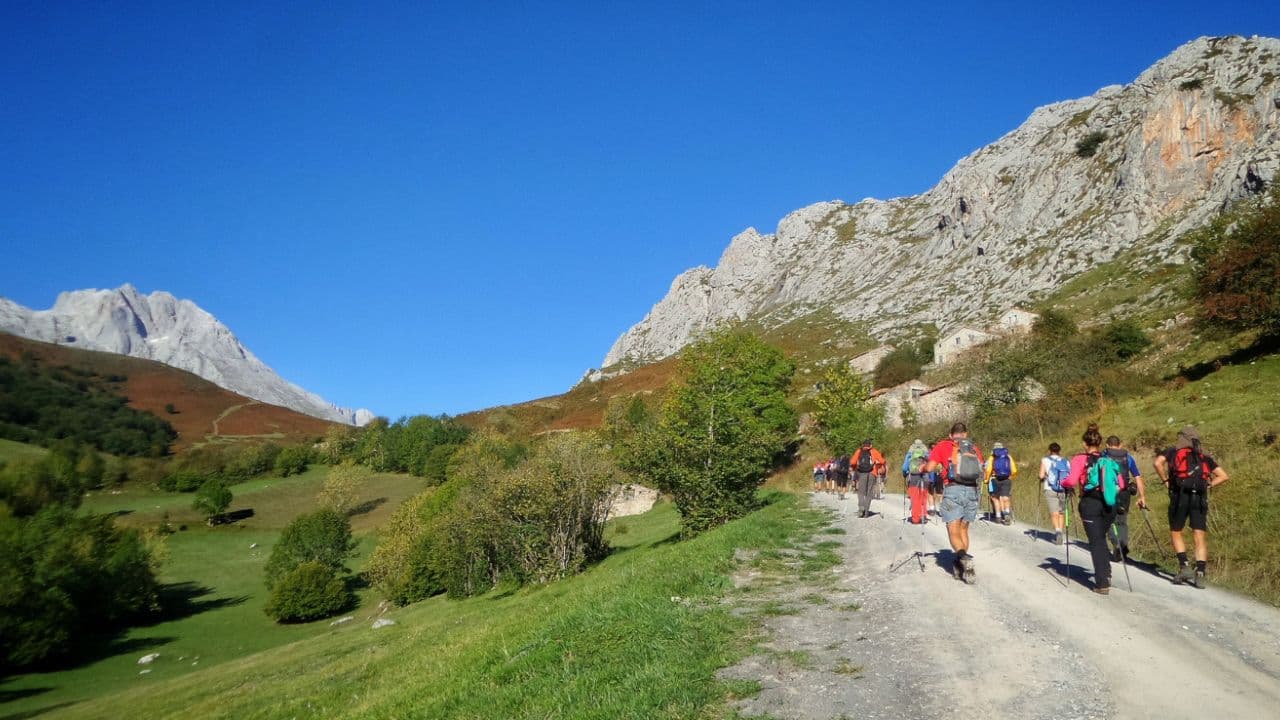
The Camino de Santiago, often called The Way of St. James, is a network of walking routes across Europe that all lead to the city of Santiago de Compostela in Spain. For over a thousand years, people have made this pilgrimage for faith, reflection, or simply to take time out of their normal lives.
Today, the Camino attracts people from all backgrounds. Some walk for spiritual reasons, others for healing, clarity, or the joy of slow travel. It’s more than a hike; it’s an experience that blends culture, community, and self-discovery.
You don’t need to be religious to walk the Camino. You just need a good pair of shoes, a backpack, and an open heart.
Main Routes of the Camino
There are many Caminos, all leading to the same destination. Here are the most popular ones:
Camino Francés (The French Way) – The classic route starting in Saint-Jean-Pied-de-Port, France. About 800 km (500 miles). Passes mountains, farmlands, and countless historic villages.
Camino Portugués (The Portuguese Way) – Starts in Lisbon or Porto. Offers a beautiful mix of countryside, coast, and culture.
Camino del Norte (The Northern Way) – Follows the north coast of Spain from Irún. Scenic but more challenging.
Camino Primitivo (The Original Way) – Begins in Oviedo. Remote, quiet, and mountainous, the oldest known Camino.
English Way – Starts in Ferrol or A Coruña. A shorter one-week walk was once taken by pilgrims who arrived by sea.
You can start anywhere. Some pilgrims begin at traditional points; others simply start walking from home. The important thing is not where you begin, but that you begin.
How Far and How Long
The length depends on your route:
Camino Francés: Around 800 km, about 30–35 days
Camino Portugués (Lisbon): Around 600 km, about 3–4 weeks
Camino Portugués (Porto): Around 240 km, about 10–14 days
Camino del Norte: Around 820 km, about 5–6 weeks
Camino Primitivo: Around 320 km, about 12–16 days
English Way: Around 120 km, about 4–6 days
Most people walk 20–25 km (12–16 miles) per day and take rest days along the way. To receive the Compostela (the pilgrim certificate), you must walk at least 100 km (about 62 miles).
What the Camino Offers
Walking the Camino changes people in ways that are hard to describe but easy to feel. It’s often called “a journey within a journey.”
Here’s what most walkers discover:
Simplicity. You live with only what you carry and realize it’s enough.
Connection. You meet people from all over the world and share simple moments that stay with you.
Clarity. The rhythm of walking helps you process thoughts, emotions, and decisions.
Presence. You start to notice details: the sound of footsteps, the smell of bread, the light changing across the fields.
Trust. The Camino teaches you to let go of control, of hurry, and of the need to know what’s next.
It’s not about how far you go, but how present you are along the way.
Terrain and Difficulty
Each route has its own personality:
The French Way: A good balance of challenge and comfort, ideal for first-timers.
The Northern Way: More demanding, with hills and coastal climbs.
The Portuguese Way: Gentle and scenic, great for a first walk or shorter trip.
The Original Way: Tougher terrain but rewarding solitude and beauty.
Even the “easy” routes include long days and variable weather. The key is to pace yourself, rest often, and listen to your body.
Preparing for the Camino
Physical Preparation
You don’t need to be an athlete, but walking several days in a row takes stamina.
Start training by walking 5–10 km a few times a week.
Practice with the backpack you plan to use.
Walk on different terrains and include hills when possible.
Take care of your feet, good shoes and socks make all the difference.
Packing Tips
Travel light. Carry less than 10% of your body weight if possible. Essentials include:
Comfortable hiking shoes or boots
Lightweight clothes that dry quickly
Rain gear
A small first-aid kit
Reusable water bottle
Pilgrim passport (credential)
Everything else is optional. You’ll find shops, cafés, and pharmacies everywhere.
Mental Preparation
Ask yourself:
Why am I walking?
What do I want to leave behind or move toward?
Having a simple personal reason will keep you motivated when the days get hard.
A Typical Day on the Camino
A day on the Camino follows a peaceful rhythm:
Morning: Wake early, start walking around sunrise. Breakfast in a small café.
Midday: Walk until early afternoon, stopping to rest and eat.
Afternoon: Find a hostel (albergue), shower, do laundry, nap, or explore.
Evening: Share dinner and conversation with other pilgrims, then rest early.
Soon, this rhythm becomes natural. Life feels simple, meaningful, and free of noise.
Costs and Budget
The Camino can be done on almost any budget:
Budget pilgrim: €25–€40 per day: stay in albergues, eat pilgrim menus.
Comfort style: €50–€90 per day: private rooms, restaurants, small hotels.
High comfort: €100+ per day: hotels, luggage transfer, more amenities.
A full Camino Francés (around 30 days) usually costs between €800 and €1,500, depending on your comfort level.
Why People Walk Today
The reasons are personal but universal.
People walk to:
Heal from loss or change
Find direction or meaning
Reconnect with themselves and nature
Take a break from technology and hurry
Experience community and simplicity
In a world that moves fast, walking the Camino slows everything down. You meet yourself again one step at a time.
The Real Lesson of the Camino
The Camino de Santiago is not only a walk across Spain, it’s a way of remembering what matters. You walk through changing landscapes, weather, and emotions, and somehow they all mirror your inner world.
By the end, most people realize the Camino doesn’t end in Santiago. It continues in how you move, listen, and live afterward.
Whether you walk 100 km or 1,000 km, the Camino asks a quiet question:
“What step do you need to take in your life, right now?”
And as you walk, the answer slowly unfolds beneath your feet.
Final Words!
You don’t need to plan the perfect trip.
You don’t need to have the perfect reason.
You just need to begin one step, one breath, one day at a time.
The Camino will meet you exactly where you are, and take you exactly where you need to go.